

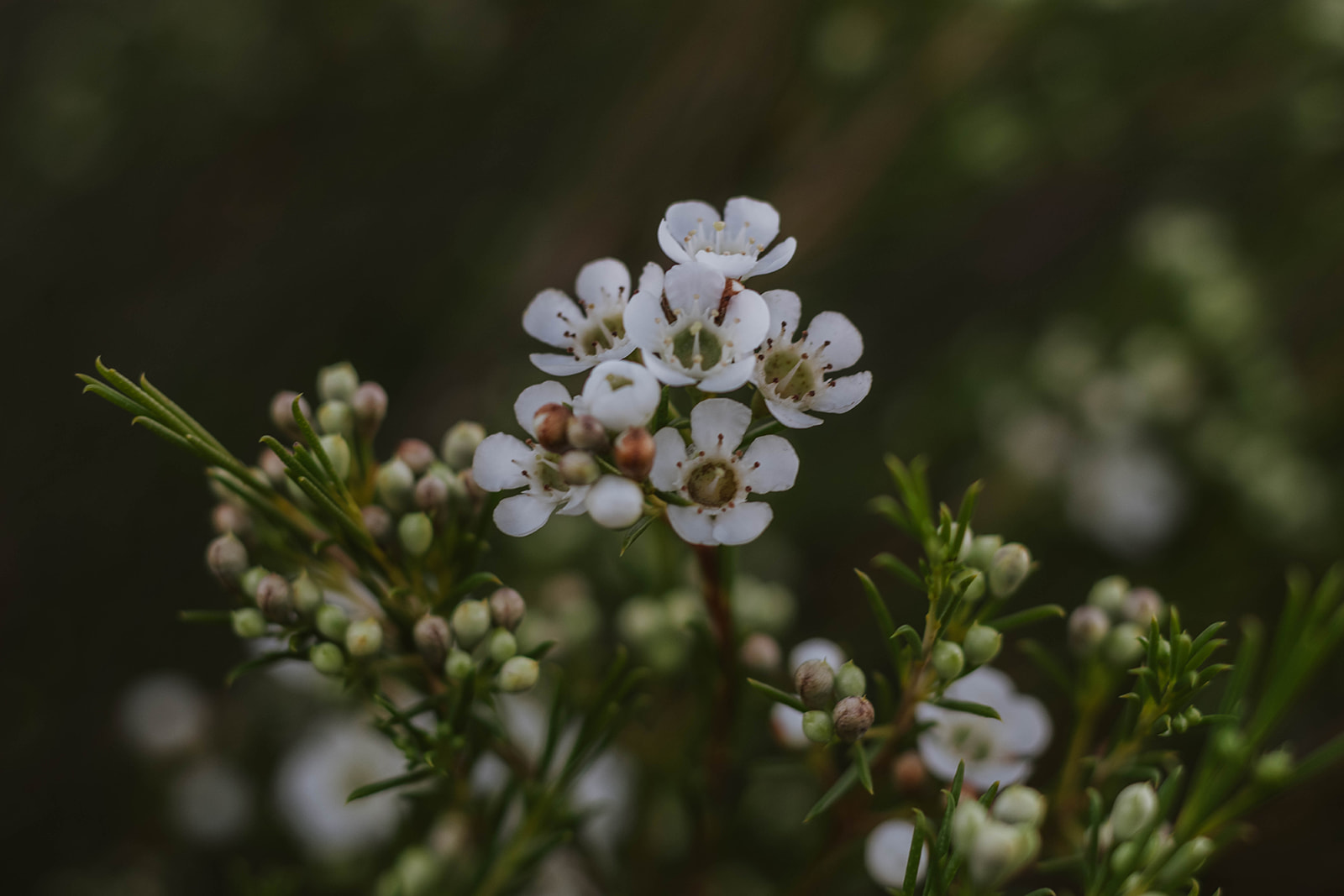
As the cooler months roll in in South Africa, a quiet yet beautiful transformation takes place in our fields – it’s the start of waxflower season. Delicate yet hardy, dainty yet dynamic, waxflowers (botanically known as Chamelaucium) have become a staple in floral arrangements across the globe. At FreshCap, we’re proud to grow and export a stunning range of waxflowers, and we thought this season is the perfect time to take a closer look at what makes them so special.

What Are Waxflowers?
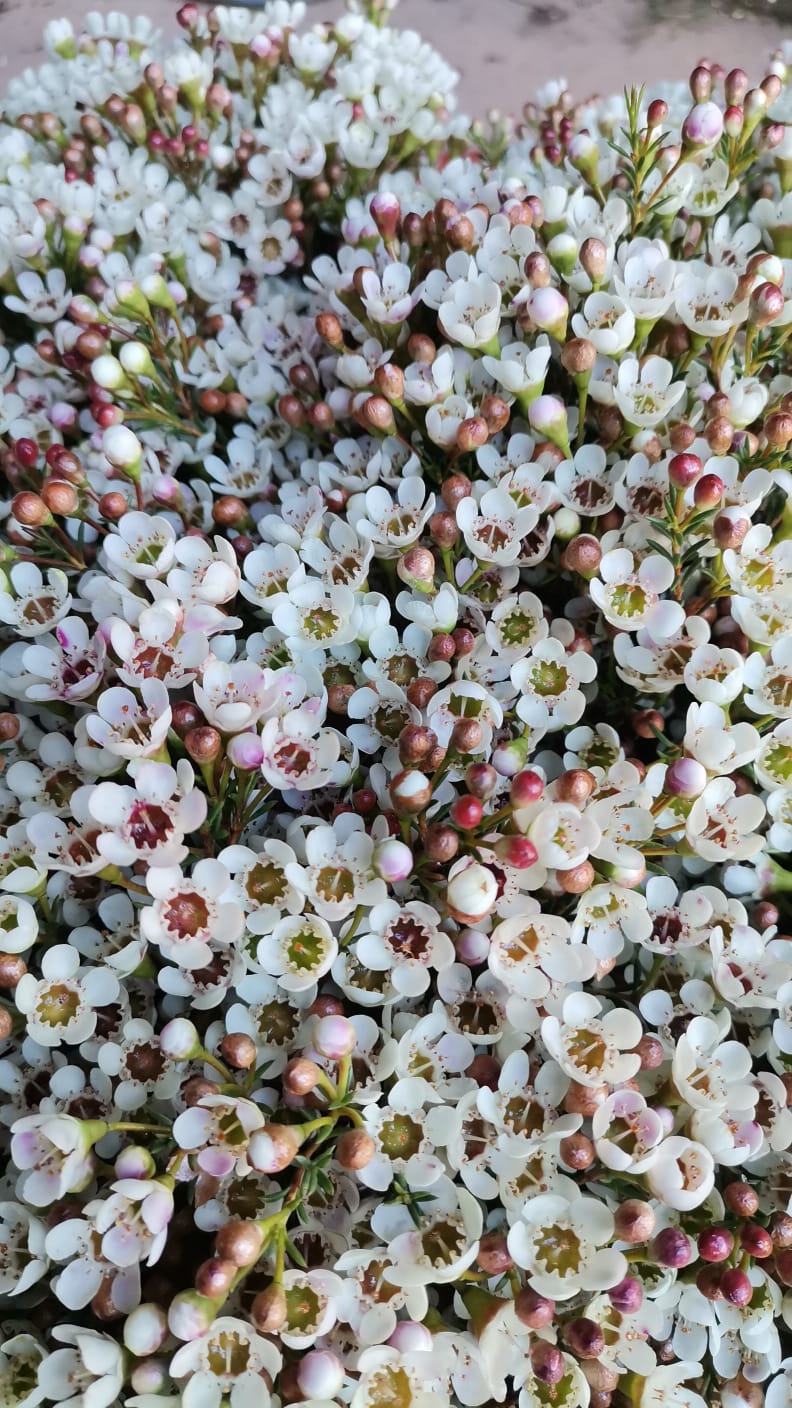
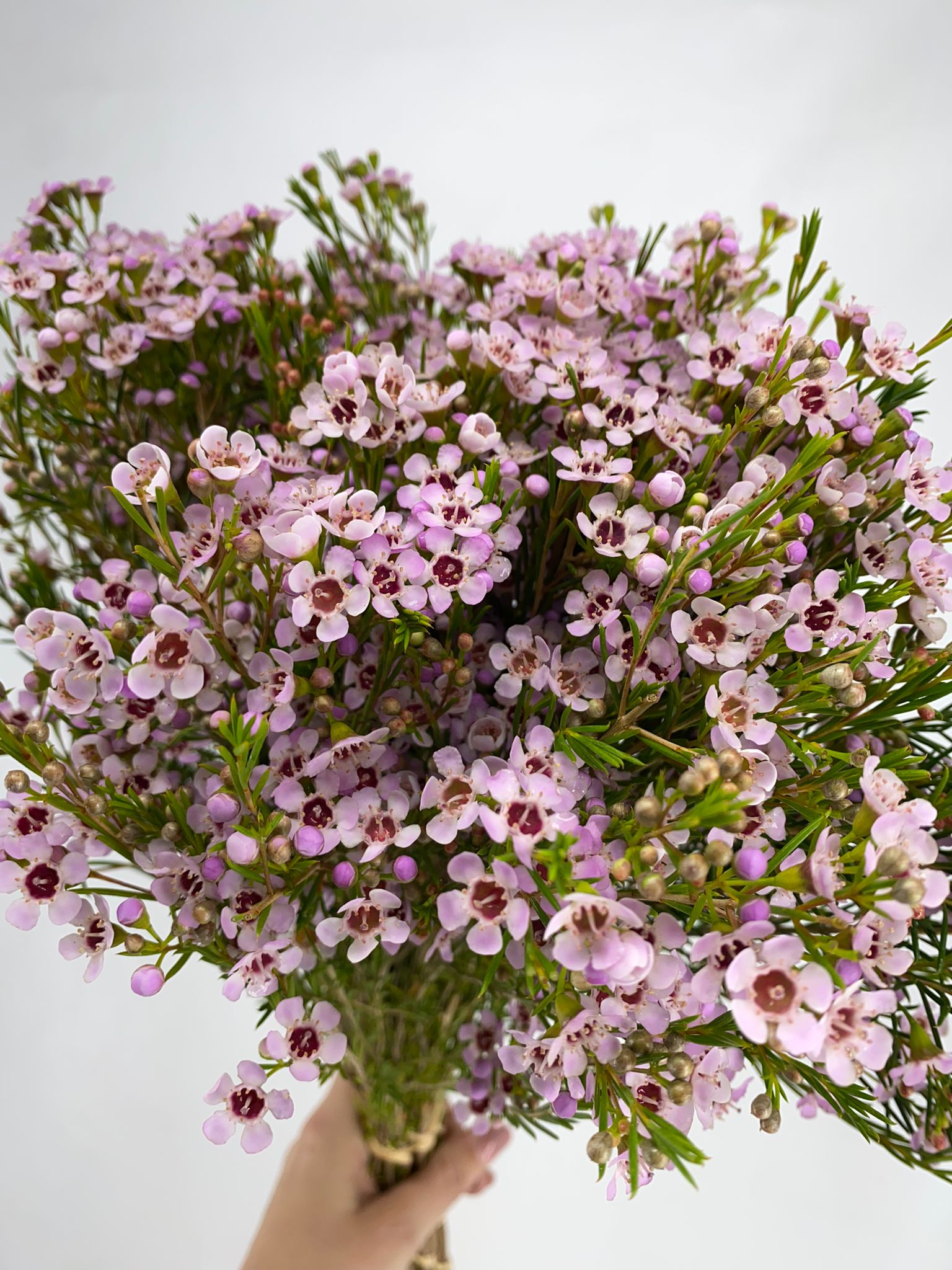
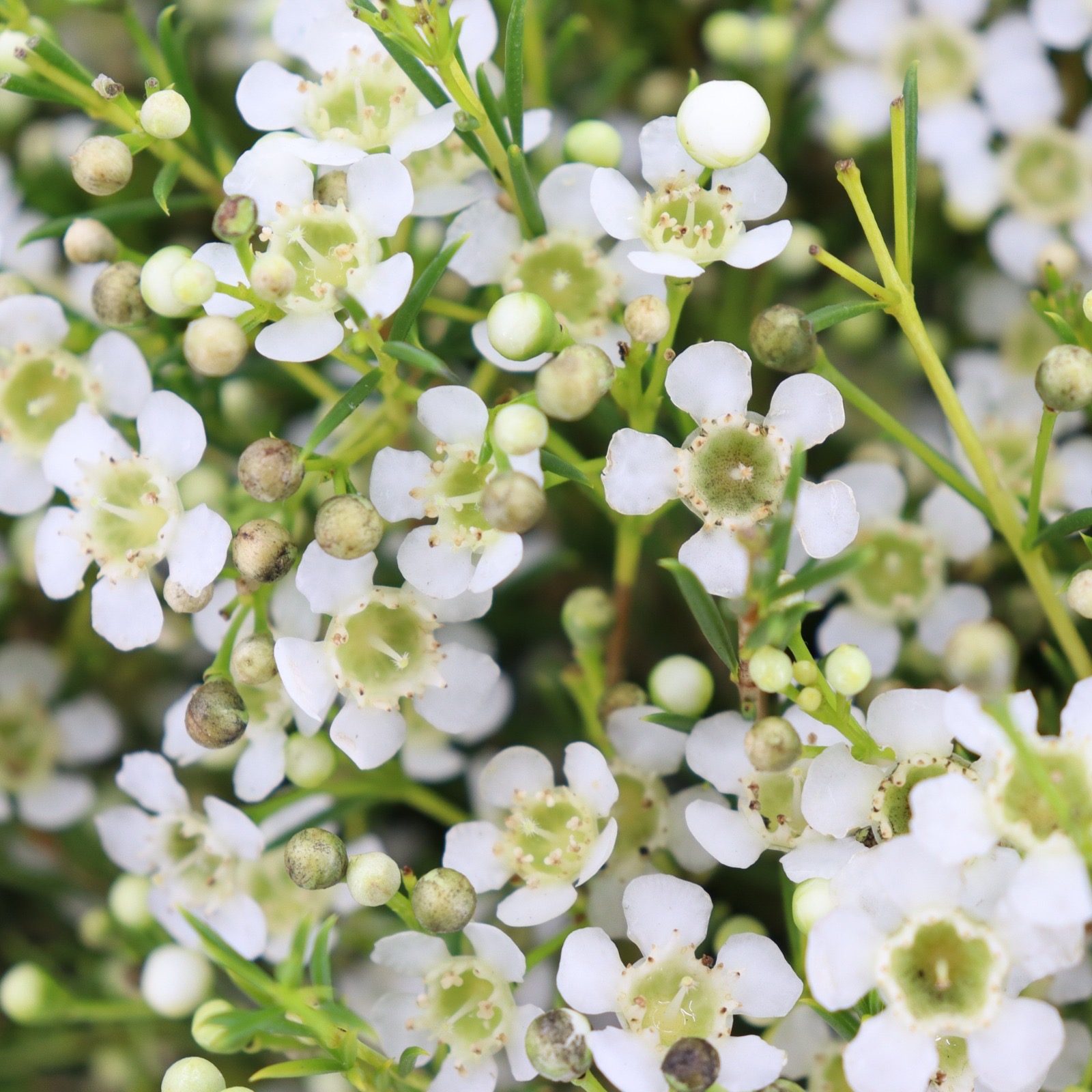
Waxflowers are small, woody shrubs that belong to the myrtle family. Native to Western Australia, they produce masses of tiny five-petaled blooms that resemble miniature daisies. Their name comes from the waxy texture of their petals, which give them an elegant, porcelain-like appearance. Their foliage, needle-like and fragrant, adds to their appeal, both visually and aromatically.
In arrangements, waxflowers are beloved as filler flowers, but their beauty can easily stand alone. With a long vase life, abundant blooms, and a wild, natural charm, they’re a favourite for everything from wedding bouquets to everyday floral displays.
A Flower With History
The story of waxflowers begins in the dry landscapes of Australia, where the plant evolved to thrive in harsh climates. Over time, cultivars have been developed to suit commercial farming, expanding the palette of colours and shapes available to florists around the world. Today, Chamelaucium varieties are not only appreciated for their ornamental value but also for their symbolism, often associated with lasting love, patience, and good fortune.

Waxflowers at FreshCap
At FreshCap, we grow a wide variety of waxflower cultivars, each offering its own unique flower size, colour tone, and flowering time.
These are carefully selected for their quality, stem length, bloom density, and performance in export markets.
How They’re Grown
Our waxflowers are planted with care and precision. The shrubs are spaced two meters apart in rows, with five-row sections separated by three-meter roads. This setup is essential for allowing access for regular maintenance and spraying.
Why the extra care? Waxflowers, while hardy in nature, are highly susceptible to pests and diseases, particularly Botrytis and Thrips, which are drawn to the soft new growth. Preventative treatments and consistent monitoring are essential to ensure we deliver top-quality blooms to our clients across the globe.



Discover more of Freshcap
Stay connected with us for fresh inspiration and seasonal highlights, and when you’re ready to explore more, browse our full range of fynbos and protea products currently in season. Follow along on Facebook and Instagram for behind-the-scenes moments and updates from the farm.